By the first week of August 2026, the tech industry had already blown past a grim milestone: more workers laid off this year than in all of 2025 combined. According to Layoffs.fyi, 2026 has seen roughly 125,759 tech employees cut across 264 companies, compared to 122,606 across 278 companies for the entirety of last year. That's not a slowdown. That's an acceleration, and it happened in a single string of announcements from some of the most profitable companies on the planet.
Zillow's CEO Jeremy Wacksman took to the company blog to announce that just over 500 employees — about 7% of the workforce — were being let go. Etsy confirmed roughly 220 job losses on August 5, concentrated in its Product and Engineering teams. TikTok's American joint venture is shuttering its Nashville office as of October 5, 2026, displacing 250 U.S. employees. And Google, the company that has spent two decades telling American kids to learn to code, added its own headcount to the pile.
Here's the part that should make every laid-off engineer's blood boil: several of these companies went out of their way to insist that AI wasn't the reason for the cuts. Maybe not directly. But when a company is simultaneously investing billions in AI infrastructure and dumping hundreds of American workers onto an already flooded job market, the distinction starts to feel like a technicality designed for a press release, not for the person who now has to explain a layoff to their kids.
What's conspicuously absent from these announcements is any accounting of who these companies are hiring instead — and where. Tech has spent years quietly expanding offshore engineering hubs and leaning on visa programs to backfill roles at lower cost, even as it swears in public that these layoffs are about "efficiency" or "org restructuring." If efficiency were the real story, we'd expect headcount to shrink everywhere equally. It doesn't. It shrinks in Seattle, Nashville, and Mountain View, and it grows in places where labor is cheaper and workers have far less leverage.
The workers absorbing these cuts aren't dot-com-bust newcomers who overestimated their industry. Many are veteran engineers and product managers who did everything right — built skills, shipped products, generated real revenue — and are now competing for a shrinking pool of openings against thousands of other qualified Americans laid off in the same twelve months. A saturated market doesn't just mean a longer job search. It means downward pressure on wages for everyone still standing, exactly the kind of pressure that offshoring and visa-driven labor arbitrage have been exerting on American tech salaries for years.
None of this is inevitable. It's a series of choices made by companies that could absorb these costs and chose not to, at the exact moment they're posting strong earnings and pouring capital into AI. The workers who built these companies' products deserve better than a blog post announcing their obsolescence.
Read the original reporting: Fast Company's August 2026 tech layoffs update.
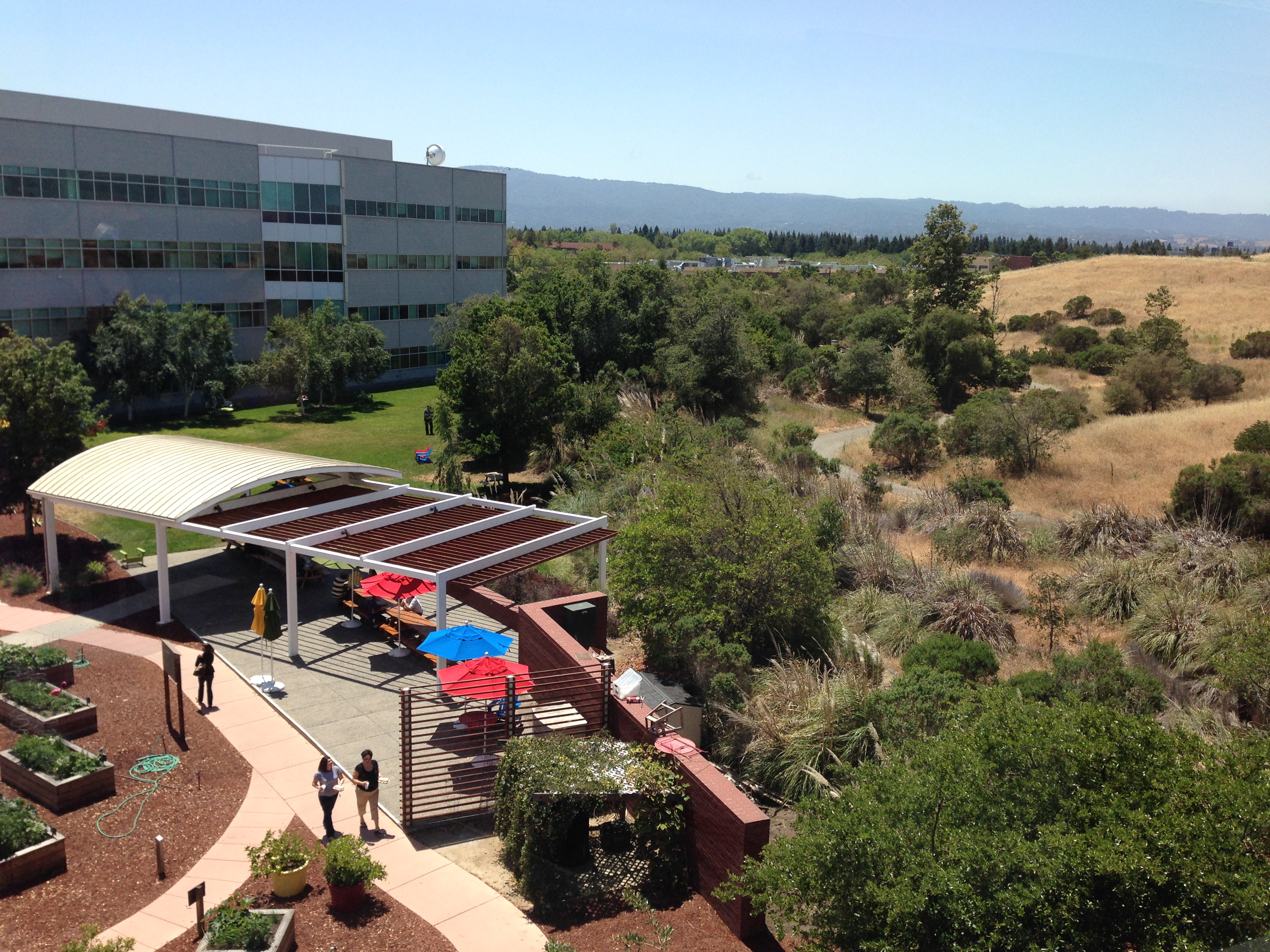
Hero image: Google office building, Mountain View, CA. Photo by Coolcaesar, CC BY-SA 3.0, via Wikimedia Commons.