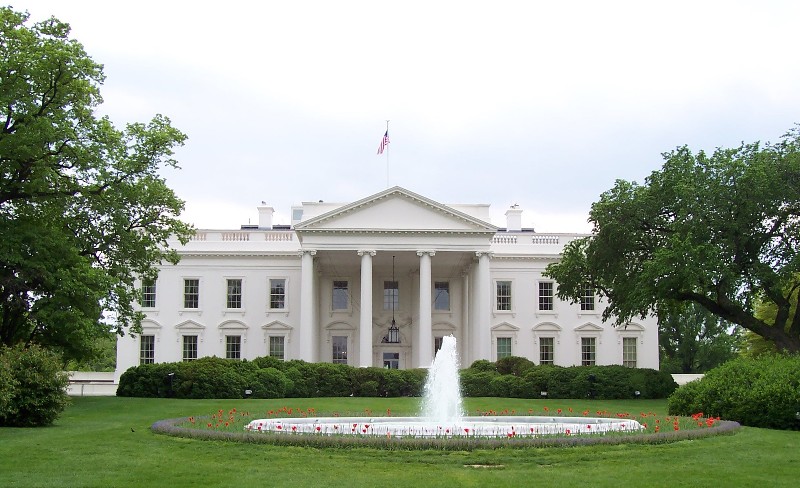
On September 19, 2025, the White House signed a proclamation that, as of September 21 at 12:01am Eastern, attached a $100,000 price tag to new H-1B specialty-occupation petitions. No payment, no approval — petitions are restricted for 12 months, subject to renewal. It's the most direct intervention into the program's economics in years.
The justification leans on numbers that are hard to wave away. Foreign STEM workers in the U.S. more than doubled from 1.2 million in 2000 to 2.5 million by 2019. IT roles, which made up 32% of H-1B petitions back in fiscal 2003, now account for more than 65% of the program on average over the last five years. Meanwhile computer science graduates face 6.1% unemployment and computer engineering grads 7.5% — and unemployment in computer occupations overall nearly doubled, from 1.98% in 2019 to 3.02% in 2025. That's not what a program solving a labor shortage is supposed to produce.
The proclamation does leave an escape hatch: the Secretary of Homeland Security can waive the fee if a hire is deemed in the "national interest," which means the real fight over the next year will happen in the definition of that phrase, case by case, waiver by waiver. The State Department is tasked with verifying payment before approving petitions, and there's a secondary provision aimed at stopping H-1B beneficiaries from working the system via B visas.
What the order does not do is touch the roughly 600,000+ H-1B holders already in the country — it's forward-looking, not retroactive. That distinction matters, because it means the fee's real effect shows up gradually, in hiring decisions made from late September 2025 onward, not in some overnight mass departure.
The stated rationale is explicit about the target: employers "laying off thousands of American workers while hiring H-1B replacements." Whether $100,000 per head is the right lever, or just a blunt one, is a fair question. But it's a direct response to a pattern that had become too visible to ignore — and companies from Walmart on down have already started changing their hiring behavior because of it.
Read the original proclamation: Restriction on Entry of Certain Nonimmigrant Workers (The White House).