
A Week in Washington's Arithmetic
A closing reflection on the week's H-1B fee fight, AI-driven layoffs, and 2026 minimum-wage hikes — and what "value" means when every yardstick is moving at once.
Career advice, platform updates, and commentary on the American job market.
A closing reflection on the week's H-1B fee fight, AI-driven layoffs, and 2026 minimum-wage hikes — and what "value" means when every yardstick is moving at once.

EB-2 India is already marked "unavailable" for the rest of the fiscal year. EB-1 — the category for extraordinary-ability workers — may join it within weeks. These are the people the system is supposed to want most, stuck behind a numbers wall that has nothing to do with their qualifications.
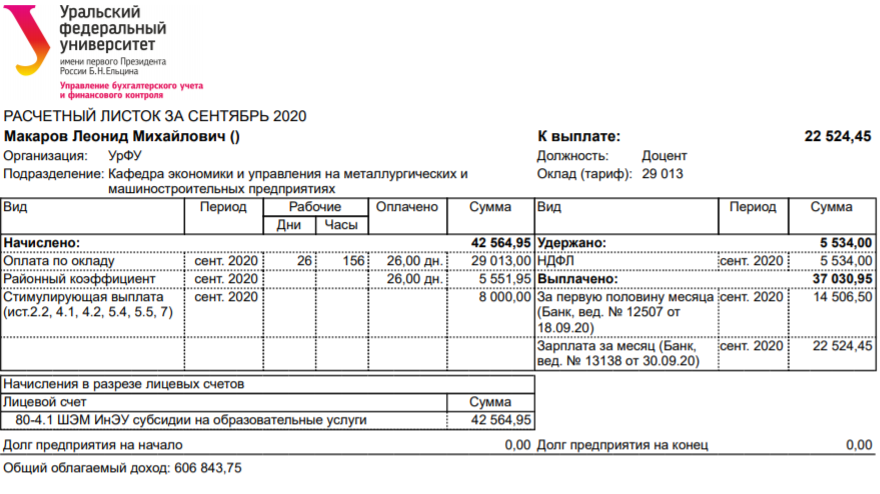
More employers are shifting from performance-based raises to flat across-the-board increases — what happens to incentive when everyone gets the same raise.

LAUSD enrollment fell from over 392,000 to 375,661 in a single year. The superintendent says it's "deeply connected" to what immigrant families are living through. Whatever you think about enforcement policy, this is a cost nobody campaigned on.
The ASSIMILATION Act would cap H-1B at 50,000 visas a year, require pay at 200% of the median wage, limit the visa to three non-renewable years, and kill the diversity lottery outright. It's the most aggressive bill I've covered this week — and the wage floor alone would end the outsourcing arbitrage cold.

"Operation Catahoula Crunch" was announced as a hunt for violent offenders. On the ground, a lot of what's getting swept up looks like day laborers and tradesmen. The gap between the stated target and the actual result is the whole story.
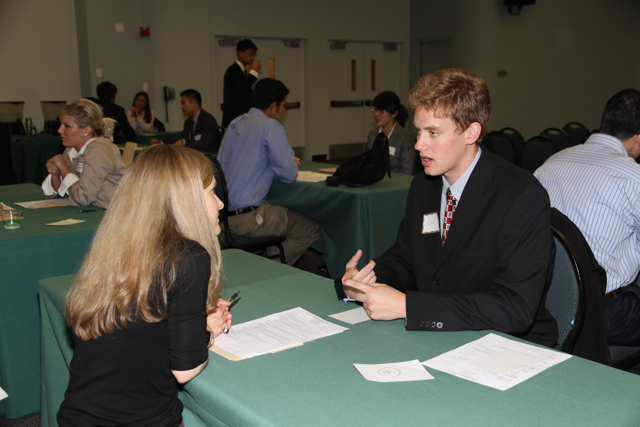
Indeed's Q2 2026 vertical breakdown shows software, finance, and manufacturing still adding jobs while healthcare and retail postings slide.

Oracle cut 18.5% of its global workforce by 6 a.m. email, with no warning and no manager conversation, to free up cash for a $50 billion AI data center bet. The company wasn't losing money. It just found a more profitable use for the payroll.
A bill that would force employers to actually try hiring an American before importing labor, set real wage floors, and cut chain migration by roughly 275,000 green cards a year. Unlike the maximalist bills I've panned this week, this one might actually work.
Florida's minimum wage hits $15 on September 30 — the final step of a six-year phase-in voters approved in 2020. It's a real raise for real workers. It's also arriving into an inflation environment that's already spent it.