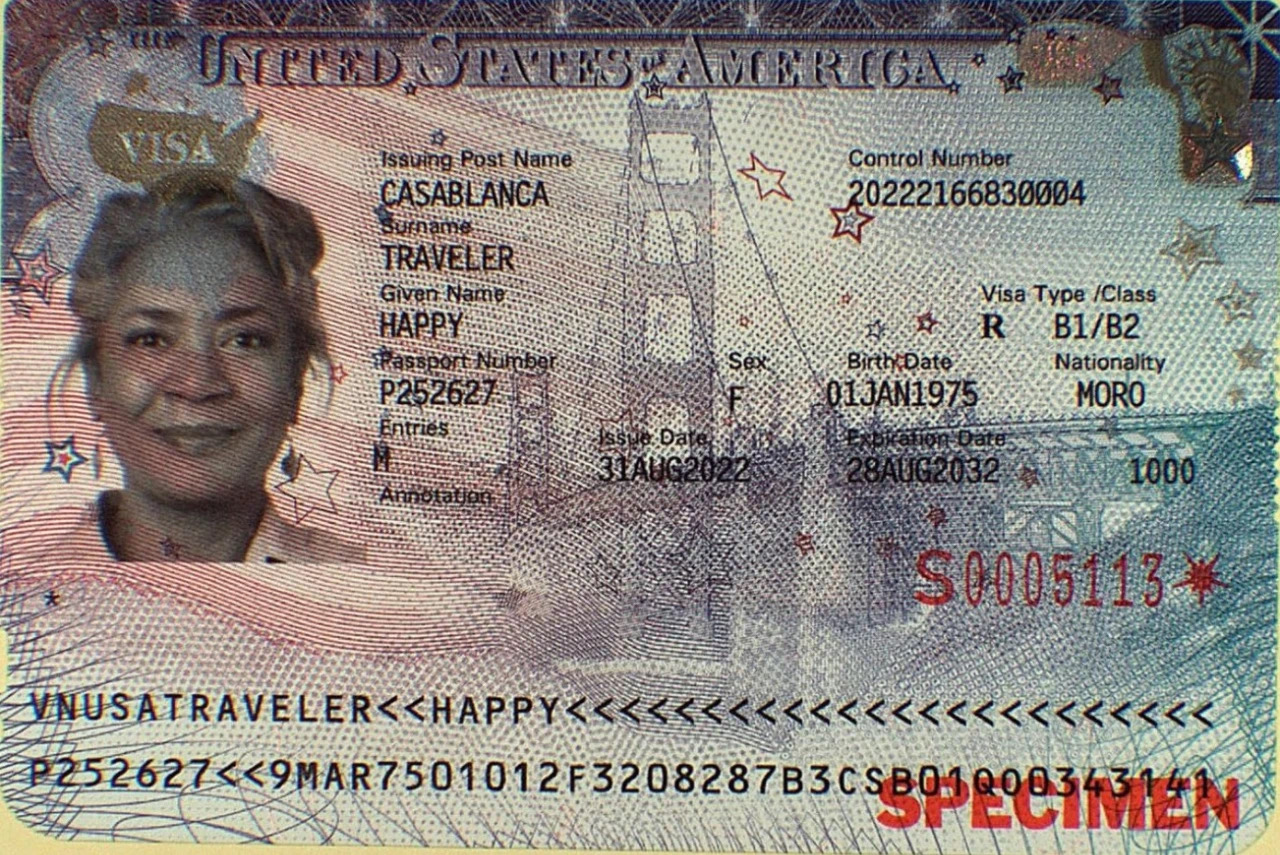
Every year the H-1B debate gets dressed up as a talent-shortage story. The numbers say otherwise. In 2025, 406,348 H-1B visas were issued — up from 275,317 just a decade earlier — and the program isn't targeting a handful of irreplaceable geniuses. It's targeting a cost line.
Companies save roughly $100,000 per worker over six years by hiring an H-1B employee instead of an American, and foreign software developers earn about 30% less than their U.S. counterparts. In Silicon Valley, two-thirds of nearly 400,000 tech jobs are now held by foreign-born workers. That's not a shortage. That's a substitution.
The loopholes make it worse. Most companies never have to prove they couldn't find a qualified American — only firms whose workforce already exceeds 15% H-1B have to show any recruitment effort at all. And the "prevailing wage" rules that are supposed to prevent undercutting rely on broad regional averages that don't reflect what tech actually pays, so the wage floor ends up well below market.
One job seeker quoted in the reporting put it bluntly: "I had experience. I should have walked right into these corporate jobs, but I didn't. Why? Because Silicon Valley is flooded with people who work for two-thirds of the price." An immigration attorney conceded the quiet part too: "The actual regulations don't necessarily say that's required," referring to proof of a genuine talent gap.
None of this is an argument against immigration, or against the real, narrow cases where specialized talent genuinely isn't available domestically. It's an argument against a program that's drifted so far from that original purpose that it now functions as a wage-arbitrage tool, dressed up in the language of scarcity. Rep. Greg Steube's EXILE Act, aimed at abolishing the program outright, is one response; raising minimum salary requirements to kill the cost advantage is a more surgical one. Either beats pretending the current setup is about talent.
Read the original reporting: How the H-1B visa replaces American workers (Blaze Media).