Nobody warned us it would arrive as a spreadsheet. We were promised robots, assembly-line drama, maybe a Terminator reference or two. Instead it showed up as a line item in a quarterly layoff filing, and by the time anyone noticed, it had already cost 205,000 Americans their jobs — this year alone, according to tracking cited by Outsource Accelerator. That number matched all of 2025's AI-linked layoffs in under eight months. Read that twice. We are outpacing last year's damage before Labor Day.
The excuse got honest
For a while, "restructuring" and "market conditions" did the euphemistic heavy lifting on layoff announcements. Not anymore. Automation is now cited as a primary or contributing driver in job cuts concentrated in customer service, data operations, entry-level software work, and finance back offices — the exact rungs of the ladder a 22-year-old used to climb to get anywhere. Challenger, Gray & Christmas reported that in March and April this year, AI became the single leading stated reason for layoffs, the first time on record a technology factor topped the monthly rankings outright. The share of layoff notices naming AI has more than doubled since January.
Zoom out and the picture gets worse, not better. Global tech layoffs in 2026 have already cleared the full-year 2025 total — 122,606 jobs across 278 companies last year, versus roughly 126,000 documented by early August this year, per The Cool Down, citing Layoffs.fyi. Salesforce, LinkedIn, Etsy, Zillow, Rapid7 — household names, cutting headcount while pouring capital into generative AI tools built to automate the very roles they're eliminating. May and June set historic monthly highs for AI-cited cuts. This isn't a correction. It's a pattern with momentum.
Where does the wealth actually go?
Here's my trouble with the cheerleading. Every gain in "productivity" from this wave gets captured by shareholders and executives, while the cost — displaced workers, strained local economies, family budgets built around a paycheck that no longer exists — lands on people who had no vote in the decision. I'm not anti-technology; I hold Bitcoin because I believe in permissionless, efficient systems that don't need a gatekeeper's blessing. But there's a difference between technology that empowers individuals and technology that lets a handful of boardrooms externalize the entire cost of "efficiency" onto everyone else. We spent thirty years exporting the factory floor to whoever could underbid American labor. Now we're exporting the office job to a model running on a GPU cluster somewhere, and calling it innovation instead of what it actually looks like on a household balance sheet: another rung of the ladder, gone.
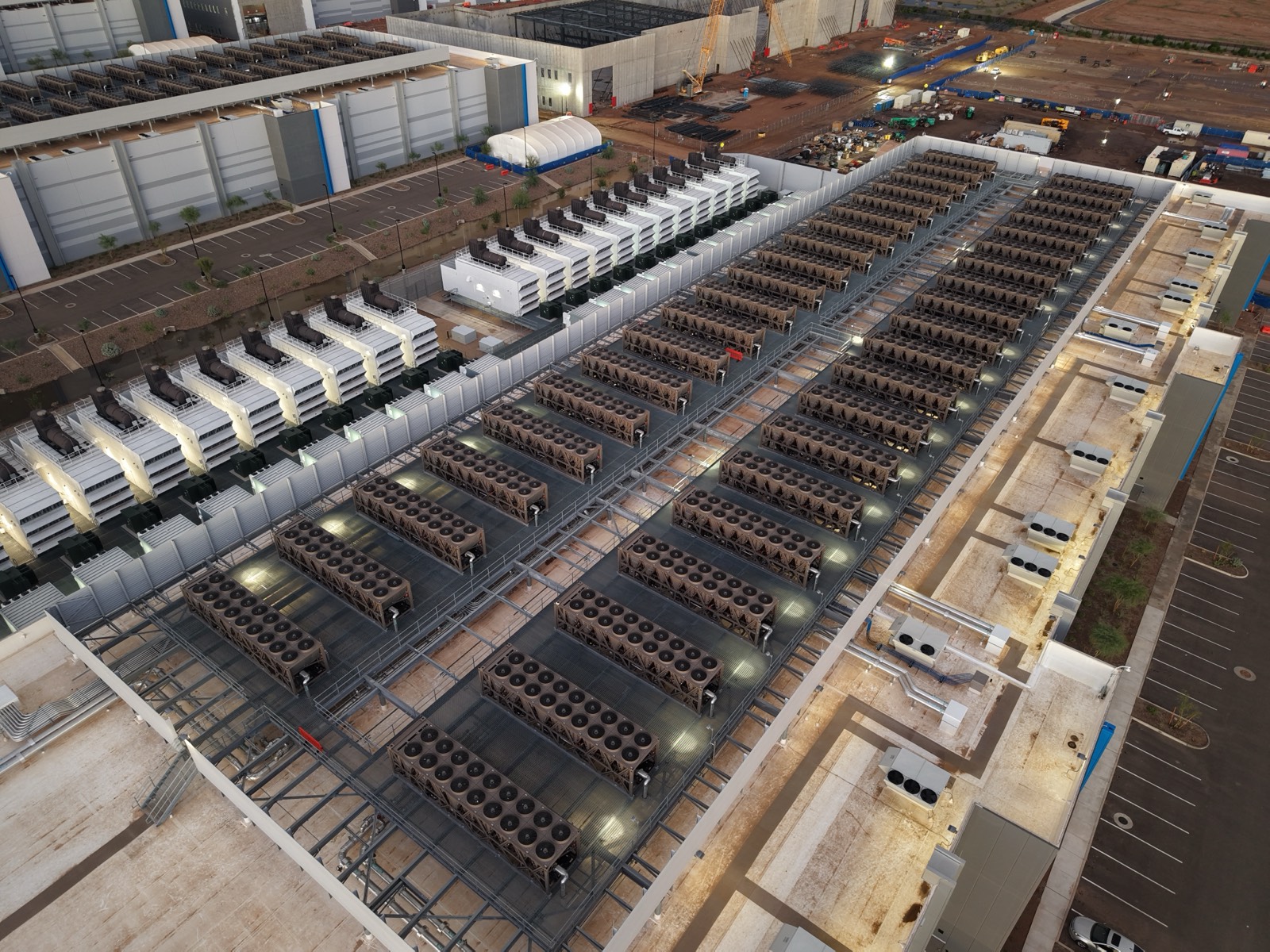
The data centers running these models are themselves power-hungry enough to strain regional grids — so we're not even getting cheap electricity out of the bargain. If Washington wants to matter here, "retraining program" press releases are not a plan. Actual labor protections, actual transparency requirements on why a company is really cutting a division, would be a start. Don't hold your breath on either party doing it before the next 205,000 people get the email.
Photo: "Datacenter Server Racks" by Carl Lender, licensed under CC BY 2.0.